The first week I managed facilities for a mid-rise office, our tenant welcome basket included a fruit arrangement and a complaint about dusty vents. The fruit was gone by lunch. The dust complaints kept coming. We had a housekeeping vendor dust the grilles, and that solved the optics for a while, but not the sneezing in the open office by the north exposure or the constant fan alarms every time the boilers cycled. That was my crash course in how air moves, where dust chooses to retire, and why commercial duct cleaning has to sit inside a proper preventive maintenance plan, not as a one-off panic purchase when someone sneezes into a work order.
Done right, duct cleaning is not a heroic deep scrub every five years. It is a rhythm inside your maintenance calendar that keeps air handlers efficient, indoor air healthy, and your team off the complaint treadmill. It is also easier to budget and to communicate when you treat it as recurring, not reactive.
What you are actually maintaining
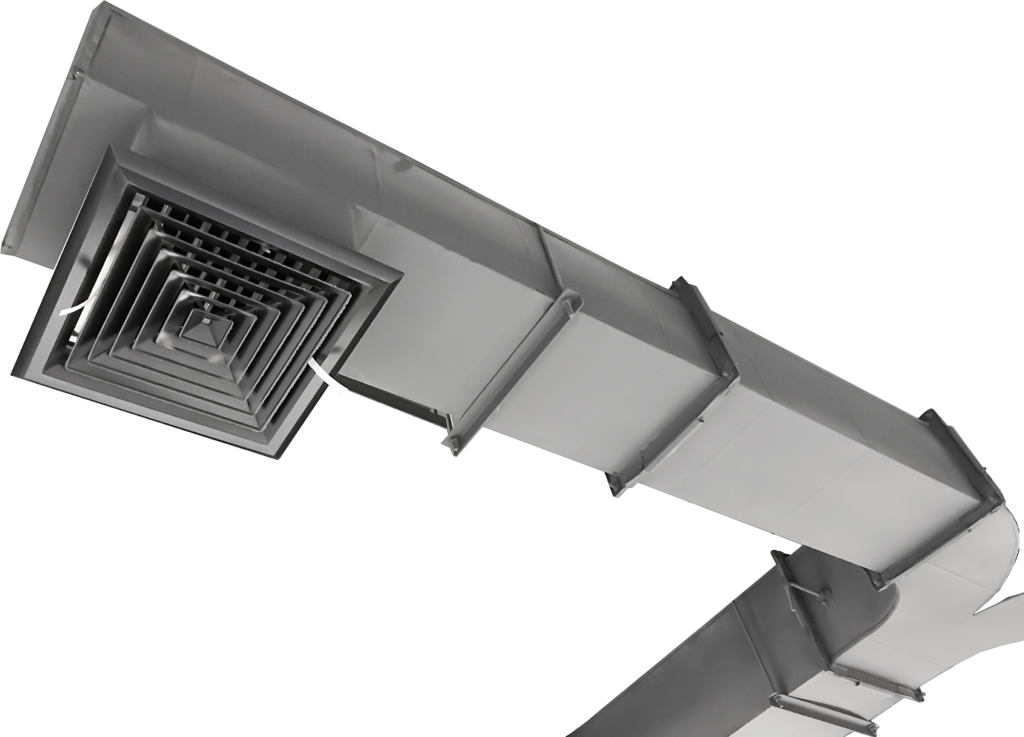
Commercial HVAC systems look tidy on a diagram, then veer into creative chaos in real buildings. You might have packaged rooftop units on the retail wing, a central plant and air handling units feeding VAV boxes in the office tower, and a lonely make-up air unit paired with a kitchen hood where a line cook thinks filters are decorative. Between the mechanical rooms and the diffusers live supply and return ducts, turning vanes, fire and smoke dampers, reheat coils, and, in many older buildings, miles of lined duct with acoustical insulation.
Dust is democratic. It settles wherever air slows or changes direction. If you picture the system as a highway, the big straight trunks move dirt along, the off-ramps and shoulders accumulate it. Turning vanes, volume dampers, flex connections, plenum corners, and the first ten feet downstream of coils collect the heaviest debris. Return drops in lobbies, where revolving doors inhale street grit, are repeat offenders. Any place that gets a little condensation, like downstream of a poorly drained cooling coil, sets the stage for microbial growth on top of dust.
Add in human behavior. Filters that live too long. Construction crews who run saws next to open ducts because moving a dust curtain feels like a workout. Tenants who push filing cabinets over return grilles and then wonder why their office smells like a couch cushion. Your plan has to anticipate all this.
The case for folding commercial duct cleaning into preventive maintenance
You do not have to sell duct cleaning as a miracle. You frame it the way any good maintenance planner does, with outcomes and risk reduction.
Start with energy. Fans consume a large share of HVAC energy. Dust accumulation raises effective static pressure. After a coordinated coil and duct cleaning on a 120,000 square foot office, I watched average fan static drop by around 0.2 inches of water column. That did not turn our utility bill into a fairy tale, but it shaved a measurable chunk off fan power and widened the safety margin for pressure alarms on high pollen days.
Then consider indoor air quality. Staff do not usually complain about parts per million, they complain about headaches and musty smells. If your return ducts are fuzzy, your supply air is a little spiced. Cleaning will not fix an undersized outside air intake or a dead economizer, but paired with correct filters and proper humidity control, it moves the needle. When we put commercial duct cleaning on a two to three year cycle in a mixed-use building, tenant IAQ complaints dropped, not to zero, but enough that call volume stopped dictating our day.
Lastly, maintenance access and inspection. A clean duct reveals leaks, broken turning vanes, burned or seized fire damper springs, and gaps in insulation that you simply cannot see when everything is wearing a gray sweater. The cheapest time to catch a stuck damper is with the access panel open, not during a smoke control test with the fire marshal making friends with your calendar.
Frequency that respects reality
No one honestly hands you a perfect number. Buildings differ. But you can set a baseline and adjust with data.
- Office buildings with decent housekeeping, MERV 8 or better pre-filters, and no dusty tenants generally benefit from a visual inspection of representative duct sections each year, with cleaning ranges of two to four years depending on dust load. Schools and childcare facilities tend to schedule more often, partly because of occupancy density and partly to reduce allergen accumulation after heavy pollen seasons. Healthcare spaces follow their own playbooks and often have stricter cleanliness and verification, especially in procedure areas. Coordinate with your infection prevention team. Food service exhaust is its own category with fire code timelines. Do not lump a kitchen hood into the same cycle as office supply ducts.
These are starting points. You will find outliers in your portfolio. A glossy corporate headquarters with a marble lobby might hide returns that look like a bagless vacuum two weeks after a renovation. Meanwhile, a warehouse with fewer partitions and lots of outside air might stay cleaner than you expect because the system runs full and dry.
Building a plan that sticks
A preventive plan has to live in your CMMS, your schedule, and your budget. It should also survive personnel turnover, because the person who remembers why you skip the third floor on Wednesdays might be on a beach when the vendor shows up.
Map your system in plain language. Identify each air handler, the zones it serves, major trunk lines, and any known problem spots like an office where the ceiling plenum doubles as a document archive. Choose a set of representative access points per system for annual inspections. I like to include the following every time: downstream of the cooling coil, far end of the longest trunk, a return vertical that serves the lobby, and a line that serves a corner space with chronic comfort calls.
Create a calendar that pairs duct inspections with filter changes and coil maintenance. Dust does not respect your accounting year, but your plan should. If you clean ducts in March, and your coil cleaning program waits until September, you will gift yourself a second dust event. Align these so the dirtiest work flows in the right order, filters are replaced after agitation, and post-clean readings do not just record the bounce back of last month’s mess.
Finally, write down the rules of engagement for your vendors. Scope creep or scope Advanced Environmental Service drift often starts with fuzzy language on what gets cleaned, what gets opened, and how everything gets sealed after.
The stepwise backbone of a preventive program
- Inventory and baseline. List all HVAC systems, create drawings or marked-up PDFs, and capture baseline photos inside key duct sections. Note filter grades, change intervals, and common complaint hotspots. Define triggers. Set thresholds for action that are not based on vibes. Examples include visible dust coverage on a sampling grid exceeding a set percentage, static pressure drifts from baseline beyond a defined margin, or accumulated debris depth beyond a few millimeters at designated test points. Schedule and sequence. Align duct cleaning with coil cleaning, major filter changes, and any planned shutdowns. Sequence zones to protect clean areas from backflow of dirty work. Specify and procure. Prequalify vendors, write scopes that include containment, negative pressure, access port standards, and before and after verification. Bake in protections for delicate duct liner and any fiberglass components. Verify and learn. Require post-clean data that matters, like photo documentation from repeatable vantage points and updated static pressure logs, then adjust the frequency and scope for the next cycle.
What quality duct cleaning looks like on site
The day a crew shows up with a shop vacuum and a ladder is the day you learn what not to buy. A competent commercial crew arrives with a negative air machine equipped with HEPA filtration, flexible collection hoses, access port materials, agitation tools sized for your ductwork, and a plan for plant protection. They should also carry blank labels to mark new access ports, because an unmarked hole in a duct is a leak waiting to happen.
Containment matters. Good crews isolate sections, attach collection hoses at the right end, and move air toward the vacuum so dislodged dust does not migrate into occupied areas. They capture debris, they do not blow it into the return plenum and call it a day. They protect coils and sensitive components from grit and moisture if they use wet methods upstream. They close and seal access ports with gaskets and screws that will still be there when you open them next season.
If you have internally lined duct, agitation needs to be gentle, and the method should not erode the liner. That material helps with acoustics and thermal performance, and once it starts to shed, you trade dust for fibers. On old fiberglass ductboard, I have halted jobs and brought in a specialist, because the cost of doing it wrong is respiratory irritation and a stretch of ceiling grid you would rather not reopen twice in one month.
A note about chemicals. Unless you are dealing with documented contamination that calls for a biocide, stay skeptical of magic fogs. Most of your benefit comes from mechanical removal of debris and fixing the moisture sources that feed microbial growth. If a vendor proposes coatings, ask to see the technical data sheet, substrate compatibility, and warranty language. Then make sure you really need it.
Data that is worth collecting
Facility teams drown in numbers without meaning. Focus on a few.
Static pressure trends tell you whether your air handlers are working harder than they used to. If you record pre and post cleaning numbers on the same fans and the same VFD settings, you get a clear indicator. A drop of a few tenths of an inch can matter on a fan curve that got tight after you raised outside air settings.
Filter pressure drops reveal whether your filters are doing the heavy lifting or whether dust is sneaking around the edges. If your new MERV 13s are clogging faster after cleaning, you may have stirred more than you captured or you may have upstream leaks. Either way, you just surfaced a problem you can fix.
Visual documentation is not glamorous, but it is powerful. Photos taken from the same access port, with a marked reference spot, erase the “I think it looks better” debates. I have used side-by-sides in tenant town halls to explain why we schedule work during off hours, and the images do more than any memo.
Complaint logs matter too. If two months after cleaning, a floor starts logging musty odor tickets, check the condensate pans, look at the outside air intakes after a week of rain, then open a port on the closest return. Ducts often tell the story of upstream problems.
Tenant communication that avoids drama
Duct cleaning is noisy, dusty before it is clean, and requires access above ceilings. If you act like it is covert, you will earn suspicion. I have had better luck treating it like window washing, something you announce with a clear schedule and a reason. Tenants understand you are keeping air moving and equipment efficient. They mostly want to know if night crews will be in their space, whether the coffee station needs to be covered, and if that ceiling tile will be back where it started by 8 a.m.
Simple rules help. Give dates, times, and a contact. Warn about odors if you are using any sanitation step. Promise to protect and to photograph conditions before moving anything on desks. Then deliver on those promises. If you damage an acoustic panel or leave a smudge on a ceiling tile, own it quickly. People forgive work, not indifference.
Budgeting without guesswork
You can price duct cleaning by square foot of serviced area, by linear foot of duct, or by time and material. All three methods live in the wild. Square foot pricing is seductive for procurement because it is simple, but it punishes clean buildings and badly underestimates dirty ones. Linear foot counts can be more accurate if your drawings are trustworthy and your vendor surveys, but beware of invisible work like building safe access around a crowded mechanical room.
My budgets improved when I created profiles for our building types. A typical six story office with four AHUs and mostly metal ductwork, cleaned in four nighttime mobilizations, landed in a predictable band after two cycles. The first cycle always costs more, because access ports need to be cut and labeled. After that, your vendor works faster, and your plan trims the scope to the zones that load up the quickest. Leave room for special events, like a post-renovation clean in a wing where drywall dust found the plenums, and do not rob the core program to pay for it. The false economy of skipping a cycle usually shows up in fan energy and filter spend within a year.
Procurement that filters for quality
You do not need a novella, but you do need a scope that sets the rules of the game. Ask for certifications that matter to you, proof of insurance, and references for buildings like yours. Do not be shy about asking to see photos from previous jobs that look like your ducts, not just the dramatic ones out of an industrial plant.
The basics in a good scope include negative pressure capture with HEPA, mechanical agitation suited to your duct materials, coil protection, sealing and labeling of access ports, and before and after photo documentation from predefined points. Include language about working around fire and smoke dampers, specifically that dampers will be left in their code-required position when the crew leaves. Spell out off-hours expectations, badging, and escort rules.
One more note. Pay attention to the disposal of captured debris. Your vendor should bag and remove it in a way that does not make your loading dock look like a dust storm visited. If they plan to use the building’s dumpsters, clear it first to avoid a last-minute argument with the waste hauler.
Edge cases that trip people up
Historic buildings present a special kind of puzzle. You may find plaster returns, odd chases, and sealed mystery shafts. Video inspection is your friend. Sometimes the right answer is partial cleaning paired with targeted sealing of abandoned lines. Trying to clean a dead-end cavity that was framed in 1932 can do more harm than good.
Mixed-tenant buildings create competing needs. A law firm with book-lined conference rooms cares more about dust on furniture than a coworking space does, but the coworking space hosts events that send confetti into returns. Segment your plan and do not treat them as one average. Clean by risk and by output of chaos.
Wildfire seasons and dust storms can wreck the most elegant schedule. In the summer of heavy smoke, we saw outside air intakes and pre-filters age in dog years. Duct cleaning came forward on two air handlers because deposits near the intakes grew visibly in weeks. Build flexibility into your plan and, when the air clears, reset your baselines so you are not chasing ghosts the next year.
When to pause and fix something upstream
Every time you open a duct and find a line of dirt like a sandbar downstream of a coil, ask yourself why it formed. If your condensate pan is ponding, if your drain trap is dry and letting air suck water back into the pan, or if your outside air damper is stuck half open in January and pulling in saturated air that condenses on cold metal, cleaning will last about as long as a promise in a budget meeting.
Moisture control precedes duct cleaning. So does filtration. Verify that filter racks seal tight and that someone is not installing filters backward on the night shift. Look for bypass paths around coils. I have found cardboard shims doing the job of missing gasketing, and those little improvisations send a surprising amount of dirt past your filters.
Verification that everyone can trust
A shiny report with a certificate graphic feels good, but trust grows from specifics. Ask for photo sets at the same access points, labeled by location and time. If your vendor can annotate with a small ruler or a grid, even better. Pair those with static pressure readings at repeatable test ports on the air handler and at a representative VAV trunk, recorded with the same fan speed. If you track particle counts, record them under the same conditions before and after, not after the crew has stirred up every ceiling tile in sight.
When problems surface in verification, treat them as quality control, not as a courtroom. I have asked crews to revisit a return bank where the before and after looked too similar. They fixed it, we updated our expectations for how many access points that zone needs, and the next round went smoother. Clean ducts reveal imperfect plans, and imperfect plans, adjusted, turn into durable ones.
A compact pre-qualification checklist
- Clear scope that aligns with your building materials, especially any lined duct or fiberglass components. Negative pressure capture with HEPA, with equipment sized to your duct diameters and lengths. Documented access port standards and a plan to label and seal them for future maintenance. Before and after photo documentation from agreed, repeatable locations. Proof of training or certification relevant to commercial duct cleaning and safe handling around fire life safety components.
A quick story about doing less and getting more
In a tech office with a design budget that outpaced the mechanical budget, we inherited high occupant density and a fondness for ceiling clouds. The first round of cleaning was broad and expensive. Our team reviewed the photos, then rewrote the plan to focus on four pressure bottlenecks we saw on the static maps, plus the lobby returns that served as free dirt delivery from the street. The second cycle cut the spend by a third and got better results. Filters lasted longer, PM calls slowed, and we stopped pulling ceiling tiles in zones that never got dirty. Doing less, on purpose, turned into doing it right.
Pulling it all together so it lasts
Preventive maintenance works when it becomes normal. Put commercial duct cleaning into that normal, and it behaves. Align it with the rest of your HVAC care, measure what matters, and write scopes that stand when everyone who wrote them heads to another job. The reward is quiet: fans that do not spike for no reason, tenants who do not open tickets about mystery smells, and a maintenance calendar that does not bite you back.
You will still find surprises. Someone will prop open an outside air door during a rooftop party, or a contractor will open a plenum and forget to close it because the lunch truck arrived. That is real life in buildings. A solid plan absorbs it. When the dust literally settles, you have the photos, the numbers, and the access ports marked for next time. And when the next fruit basket arrives, it will not have to share the table with a stack of dust complaints.